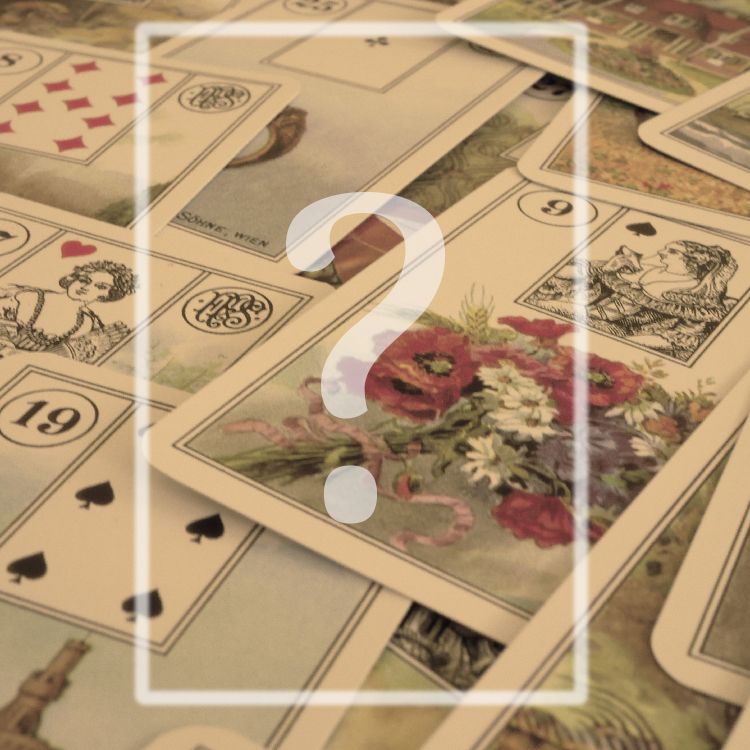
The Petit Lenormand is probably the most fascinating fortune-telling deck inherited from the 19th century. Inspired by the famous Mademoiselle Lenormand, this 36-card deck is known for its amazing ability to predict the future in a concrete and direct way. While other oracles can be vague, the Lenormand gives honest answers to daily life questions (love, work, money).
At first, it is tempting to see the Lenormand as a simpler system than the Tarot. With only 36 cards using clear symbols (a Dog, a Tree, a Key...), it seems easier to learn than the 78 complex cards of the Tarot. However, this simple look hides a clever mechanic. sex bestiality zoo horse young indian woman with horsempg
To master this deck, learning keywords by heart is not enough. The real power of the Petit Lenormand lies in its unique grammar: Habitat destruction is a welfare issue on a
Download the PDF eBook version (80 pages) of this complete guide for free. Included: the 36 classic cards + the 8 bonus cards from the Gilded Reverie + thematic interpretations. The Intersection of Science and Sentience While often
This guide was created to save you time. You will find below the full meaning of the 36 cards. For each card, I first give you the classic and traditional view (to have solid basics), followed by my modern interpretation from my personal practice, to help your readings flow better.
Habitat destruction is a welfare issue on a global scale, as wild animals lose the environments they need to survive.
The end of animals in entertainment, such as circuses or marine parks. Legal standing for non-human animals in court. The Intersection of Science and Sentience
While often used interchangeably, welfare and rights represent two distinct philosophical approaches to the same goal: reducing suffering. Understanding Animal Welfare: The Standard of Care
For centuries, the relationship between humans and animals was defined purely by utility. Animals were tools for labor, sources of food, or materials for clothing. However, as our understanding of biology, neuroscience, and ethics has evolved, so has our collective conscience. Today, the conversation surrounding "animal welfare" and "animal rights" is a central pillar of modern ethics, reflecting a profound shift in how we view our fellow inhabitants of Earth.
However, there is hope. We are seeing a surge in "clean meat" (lab-grown) technology that could eliminate the need for livestock slaughter. Dozens of countries have banned the use of wild animals in circuses, and several nations have recognized animals as "sentient beings" in their constitutions. Conclusion
Despite the progress, the 21st century presents massive challenges for animal advocates:
The simplicity of the Lenormand cards can be deceptive. Following the classical interpretation of the cards, I think that beginners should still do some real learning of the Lenormand system to produce solid and consistent readings.
I hope that with the personal elements I propose for each of the cards, this progression will be facilitated. Feel free to comment and share your own vision of the cards.
Each card in the (Petit) Lenormand is a universe of symbols and meanings that intertwine with our own stories. Your personal interpretation enriches the fabric of our collective understanding. Which card resonates the most with you? Do you have a story or a personal interpretation that could shed new light on the mysteries of the (Petit) Lenormand?
I invite you to share your discoveries and stories in the comments below. Your contribution is valuable and can become a beacon for someone else on their path of discovery.
Habitat destruction is a welfare issue on a global scale, as wild animals lose the environments they need to survive.
The end of animals in entertainment, such as circuses or marine parks. Legal standing for non-human animals in court. The Intersection of Science and Sentience
While often used interchangeably, welfare and rights represent two distinct philosophical approaches to the same goal: reducing suffering. Understanding Animal Welfare: The Standard of Care
For centuries, the relationship between humans and animals was defined purely by utility. Animals were tools for labor, sources of food, or materials for clothing. However, as our understanding of biology, neuroscience, and ethics has evolved, so has our collective conscience. Today, the conversation surrounding "animal welfare" and "animal rights" is a central pillar of modern ethics, reflecting a profound shift in how we view our fellow inhabitants of Earth.
However, there is hope. We are seeing a surge in "clean meat" (lab-grown) technology that could eliminate the need for livestock slaughter. Dozens of countries have banned the use of wild animals in circuses, and several nations have recognized animals as "sentient beings" in their constitutions. Conclusion
Despite the progress, the 21st century presents massive challenges for animal advocates:
Copyright © www.tarotquest.co