訂閱免費電子雜誌
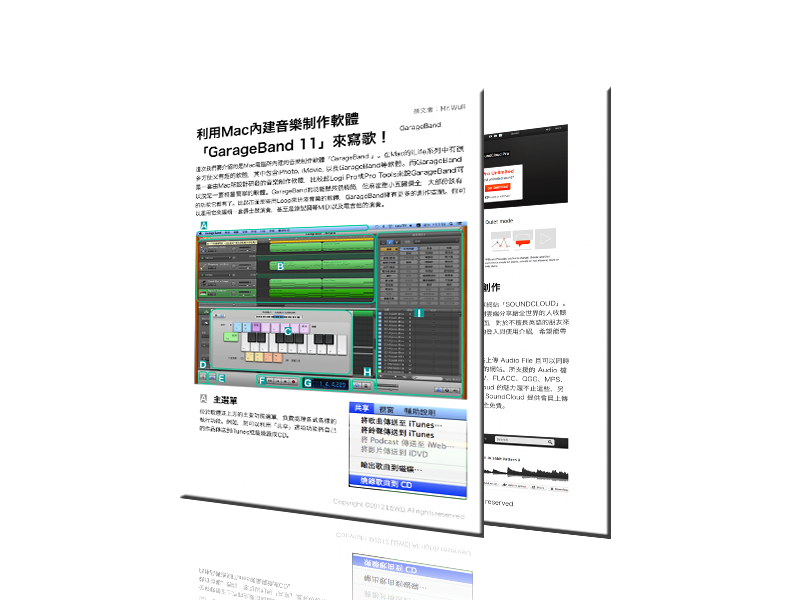
現在只需填寫下面的表格並點擊【開始訂閱】,你就可以免費獲得【Garageband 操作解析】、【SOUNDCLOUD 登錄功能解析】、【DTM 專門用語】.. 等免費電子書唷。
Modern services like e-Albania now allow citizens to generate certificates with electronic seals directly from this digital infrastructure.
Despite its administrative success, the "2008 Registry" became synonymous with data privacy debates. regjistri gjendjes civile 2008
For the first time, civil status offices in Tirana and surrounding areas began issuing printed certificates instead of handwritten ones, ensuring better data accuracy. Modern services like e-Albania now allow citizens to
The registry is the foundation for the 10-character unique identification number used for taxes and official Albanian Identity Cards . The registry is the foundation for the 10-character
The "Regjistri i Gjendjes Civile 2008" marks a pivotal moment in Albania's transition toward a modern, digital state. This period was defined by the massive project to computerize the National Civil Status Registry (RKGjC), transforming centuries of handwritten records into a unified digital database. 1. The Digital Revolution of 2008
This technological shift led to the landmark Law No. 10 129 , passed in May 2009, which formally established the National Civil Status Registry as the unique state document for citizen data. 2. Controversy and Privacy Concerns
Includes birth dates, parentage, marital status, and residence.
現在只需填寫下面的表格並點擊【開始訂閱】,你就可以免費獲得【Garageband 操作解析】、【SOUNDCLOUD 登錄功能解析】、【DTM 專門用語】.. 等免費電子書唷。