Papa's Games
Papas Games Free Online
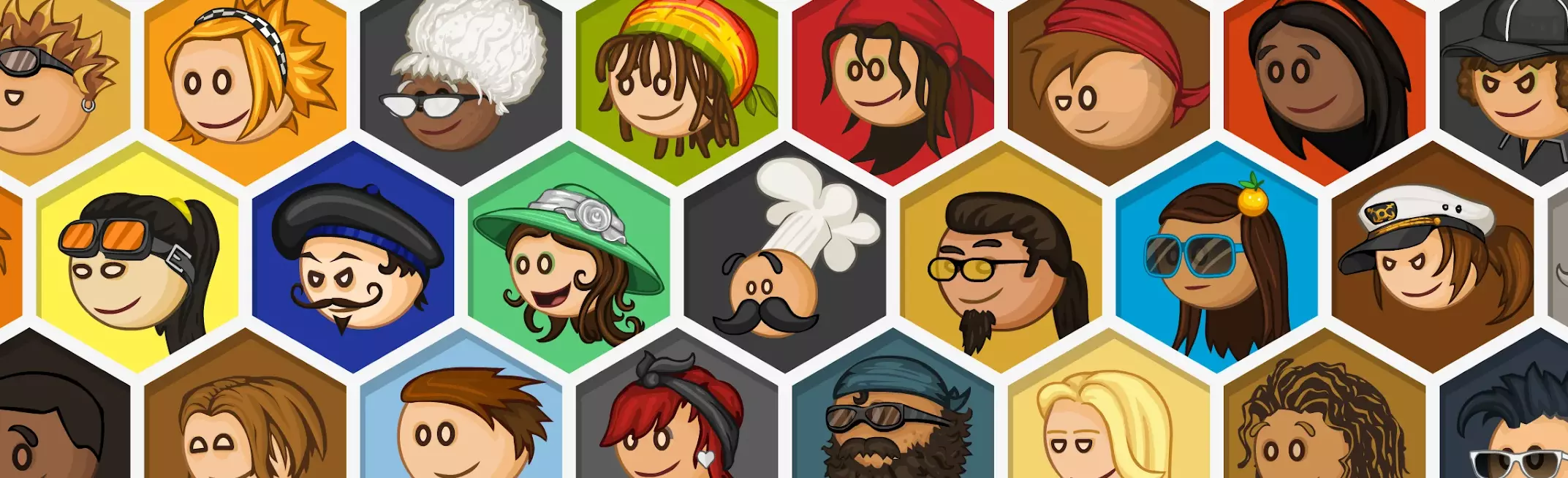
Welcome to the world of Papa's Games where you become a chef and serve tasty treats, foods, drinks, and desserts for customers! Get ready for cooking and restaurant management challenges!
Using "hero images" that stay crisp regardless of the device size. 2. Where to Find High-Resolution Photos
Large image libraries are best kept on external drives or cloud services (Google Drive/Dropbox) rather than cluttering your local hard drive. 5. Why Quality Matters
Crucial for printing. A big picture on a screen might look great at 72 DPI, but needs 300 DPI to look sharp on paper. bigasspics
If you have a small photo that you need to make "big," tools like Topaz Gigapixel AI or free online upscalers use machine learning to add pixels without losing clarity.
While we love the look of big, crisp photos, they can be a nightmare for website loading speeds or storage space. Here is how to handle them: Using "hero images" that stay crisp regardless of
Formats like PNG or TIFF preserve detail (lossless), whereas JPEG compresses data to save space, which can lead to "pixelation" if the compression is too high. 4. How to Optimize Large Images
To span across multiple monitors or high-resolution 5K displays. If you have a small photo that you
A common mistake is thinking that a "big" picture only refers to the file size (MB). However, a high-quality image is defined by three factors:
%!s(int=2026) © %!d(string=Noble Dawn)