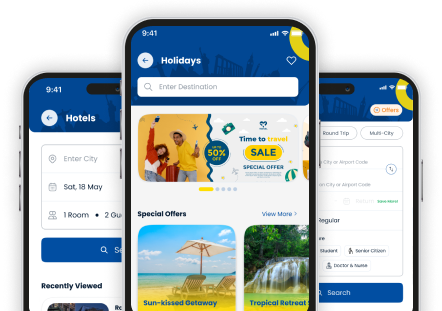
Get Thomas Cook App for
Best Travel Experience
deals on flights, Stay & activities
Download the App Now


Get Thomas Cook App
For Exclusive Deals & discounts

We use cookies to improve your website experience and provide more personalized services to you, both on this website and through other media. By continuing to use this website, you agree to our use of cookies as explained in our Cookie Policy. Please read our Cookie Policy for more information on how we use cookies and how you can disable them.
I understand

In conclusion, while the 3.3 zip tool is an older utility, it still serves as a functional way to get your phone online using a wired connection. By following the proper setup steps and ensuring USB debugging is active, you can bypass the need for wireless signals and enjoy a stable, high-speed connection directly from your desktop. android reverse tethering 33 zip do work
While Android Reverse Tethering 3.3 remains a popular legacy solution, it is important to consider the hardware. High-quality USB cables are essential for maintaining a stable data link. If you experience frequent disconnections, switching to a different USB port—preferably one on the back of a desktop PC—can provide more consistent power and data transfer.
However, modern Android versions have introduced stricter security protocols that can interfere with how version 3.3 operates. For the tool to function correctly on newer devices, you may need to ensure that your PC's firewall is not blocking the connection and that the "Tethering" or "USB Ethernet" option is toggled if available in your phone's settings. If the connection fails, checking the log output in the Windows tool can often reveal if the issue is a missing driver or a permission denial on the Android side.
Android reverse tethering allows you to share your computer's internet connection with your Android device via a USB cable. This is particularly useful in environments with no Wi-Fi or poor cellular reception. One of the most discussed methods for achieving this involves a specific toolset often distributed as a package named Android Reverse Tethering 3.3 zip.
The core of this method relies on the Android Debug Bridge and a Windows-based executable that creates a network bridge. For the process to work, you must first enable USB Debugging on your Android device. This is found under Developer Options in your system settings. Once enabled, connecting the device to your PC allows the reverse tethering software to recognize the handset and inject the necessary network configurations.
The contents of the version 3.3 zip file typically include the ADB binaries, the main AndroidTool.exe, and a specific APK file that must be installed on the phone. This APK acts as a client-side hook that redirects the device's internet requests through the USB interface rather than looking for a Wi-Fi or data signal. Users often prefer this version because it was designed to be lightweight and portable, requiring no complex installation of virtual network drivers.
Fill in the email Address that you used to register or book with Thomascook. In conclusion, while the 3
We will reset and send your new password.
Please enter the valid email address
Your request for new password has been accepted.
The new password would be emailed to the registered email address, if not registered please do the same